



Elif Sude Yılmazoğlu
The lack of fresh material in Hollywood caused TV creators to search for new stories in different channels. Because of the big budgets needed for book adaptations and comic adaptations becoming too common, producers found a new source of inspiration: audio content and podcasts. And the popularity of true crime stories in audio media was a clear indicator of curiosity causing an open market.
Podcasts and audiobooks function as a laboratory that tests storytelling’s purest form. With their low budgets and pure focus on the storytelling, these productions connect deeply and sincerely with listeners. For production companies, adapting a podcast to a TV show doesn’t only equal purchasing an already-written script but acquiring a tested story with a loyal viewer base.

A Gimlet Media production Homecoming was the first big proof that audio storytelling could revolutionize TV screens. The Prime Video adaptation starring Julia Roberts achieved cinematic success while transferring vocal media’s claustrophobic and psychologically thrilling atmosphere. Phone calls, secret voice recordings and special storytelling techniques became the standard for adapting audio media for TV.
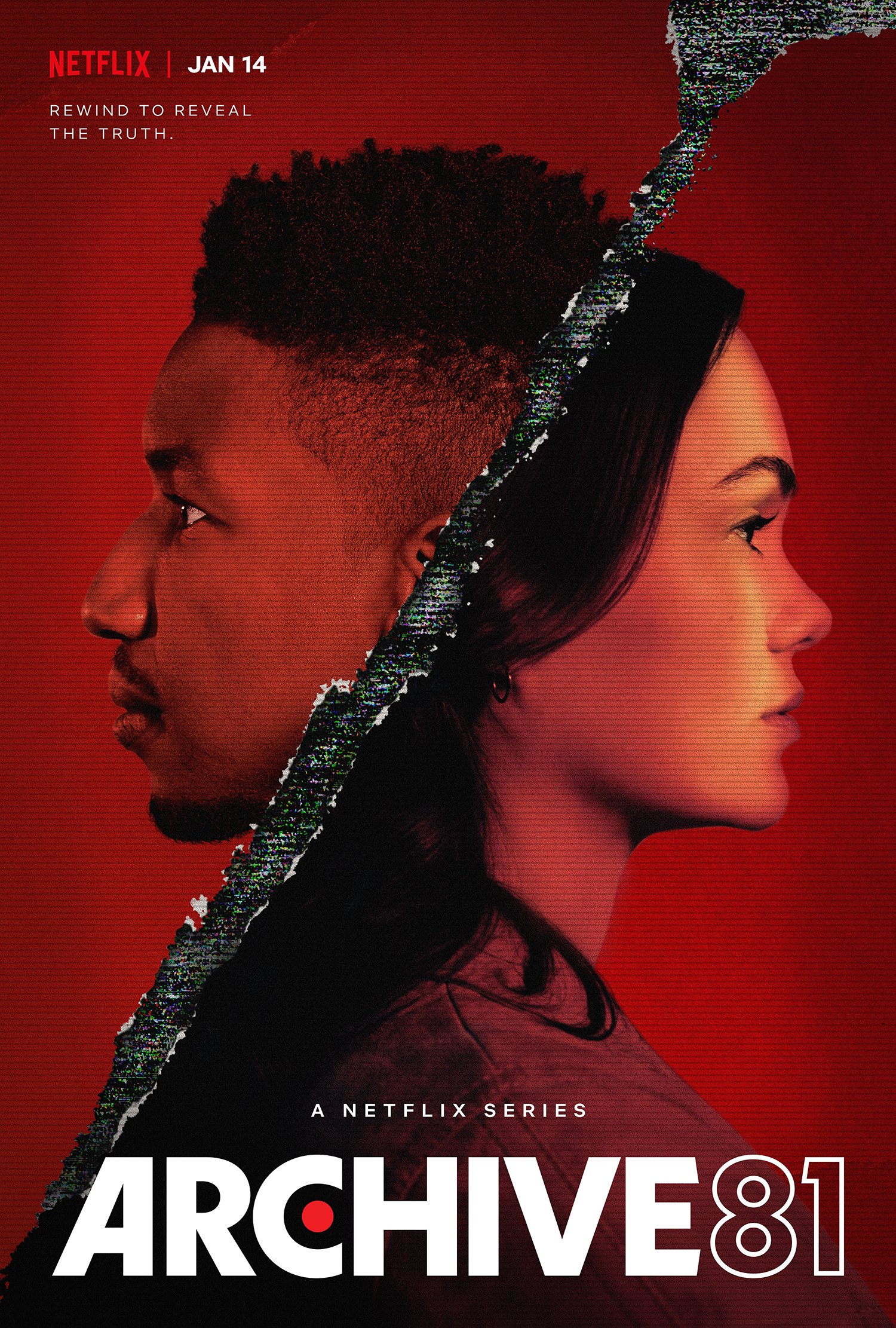
The Netflix adaptation Archive 81 took an archiver that restored cassettes as its main focus. It transformed the found footage/audio trope into visual terror. Parasites in the cassettes, disturbed frequencies and background noises translated into pure horror when they got carried onto the screens. Archive 81 is the clearest example of how atmosphere created by sounds can also be adapted to screens as well as the stories.
Adapting podcasts and audiobooks into a TV show isn’t straightforward. Audio media’s biggest strength is that it is built on ‘missing information’ and ‘the viewer’s imagination’. Transferring this mystery into a visual format demands a strong crew.
True crime podcasts’ biggest strength is the direct connection between the listener and the host. While adapting this to a series, producers tend to either use a docuseries format centering the host’s research process, crime-scene investigation and archive materials, or a fiction-drama format constructing a dramatic narrative by fully re-enacting the events described in the audio recordings with actors.
While podcast-to-TV adaptations may seem like a trend based in Hollywood, a massive IP transformation ecosystem has emerged in Latin America, Europe, and Asia. Local storytelling techniques have become pivotal to global streaming platforms such as Netflix and Prime Video. By carrying true crime audio media to screens.
In Latin America, podcasts serve not only as a form of entertainment but also as a space where social justice and unsolved murders are to be re-examined.
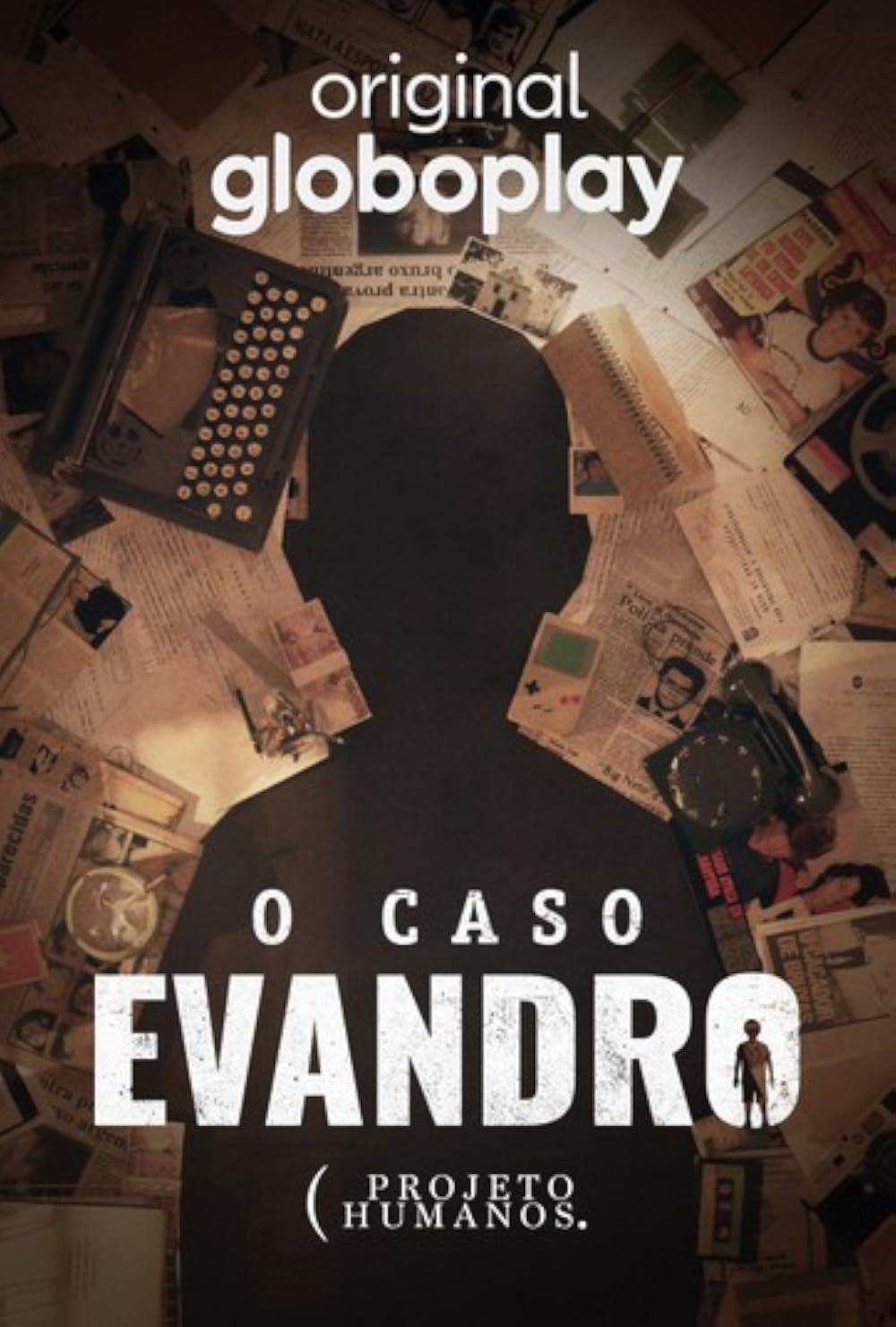
O Caso Evandro was a massive investigative journalism podcast that examined the disappearance of a six-year-old child in Paraná in 1992, as well as the following police scandals, allegations of torture and miscarriages of justice created by Ivan Mizanzuk. Globoplay adapted this investigation podcast to a docuseries by the same name. The public interest generated by the podcast and the documents involved played a direct, pivotal role in bringing the series to the screen.
In Mexico and Colombia stories involving narcotics gang histories, corruption and border-related legal cases are being rapidly commercialized for adaptation from podcasts to local television.
In Europe podcasts especially have commercial value in northern Europe and Spain. In Spain production companies are directly adapting true crime podcasts and forensic investigations into projects for digital platforms. Platforms such as Podimo and Sonora are investing in podcast projects with the potential to become television series as early as the production stage. While in Scandinavia the tradition of Nordic Noir literature and TV series has shifted towards audiobook and podcast formats. Audio-drama series originating in Sweden and Denmark are optioning by Sweden-based streaming platforms as series while they are still in the audio production stage.
The South Korean, Japanese, and Southeast Asian markets are pursuing highly aggressive policies to integrate audio-based media into the webtoon and TV series ecosystems. In south Korea the K-drama industry is rapidly adapting fictional podcasts and audio formats covering true crime cases in the region into scripts while in the rest of Asia the podcasts that are reaching millions of listeners are increasing the potential to transform regional crime narratives into Western-Asian co-produced miniseries.
Audio contents’ place in tv and digital publishing industry changed drastically. Production companies see audio media as not only a simple, secondary source but as a prototype with reduced risk. Producers are acquiring the TV rights for successful podcasts as early as the first season. Gauging market reaction through audio production costing a few thousand dollars, rather than shooting a pilot episode costing millions, serves as a financial safeguard for Hollywood and global production houses.
This momentum of commercialization, driven by the audio content industry, is reaching its peak with massive deals and new series projects set to reach audiences in the near future. Studios are not only acquiring popular podcasts that have proven interest but also innovative audio formats currently airing and high-profile audiobooks that are still in the release stage. As of 2026, new projects developed by Netflix, Prime Video and other streamers indicate that podcasts are entering the direct pipeline for television development. These projects show that producers include the podcasts’ research styles, narration and existing community as well as the story.

Many audio-to-TV projects are currently in the works. One of 2026-2027’s most intriguing projects is Susan Burton’s podcast The Retrievals, co-produced by The New York Times and Serial Productions. Netflix adapted the podcast into a drama series created by Molly Smith. The show, starring Emilia Jones, Jessica Chastain and Amy Ryan, is produced by Margot Robbie and LuckyChap. The podcast told the events that caused almost 100 women to undergo egg retrieval procedures without anesthesia at the Yale Fertility Center. The TV adaptation is going to transform the trauma experienced by fictional characters, based on real events, and their quest for justice into a dramatic narrative instead of replicating the investigative journalism format to a T. The show is a standout example of a scripted drama adapted from a podcast. The release date is unclear as of today.

Clara Tiscar’s Criminopatía podcast is a striking example from the Spanish media. Netflix officially announced in June 2026 that the podcast universe was being adapted into a new documentary series and that production had begun. The podcast, having almost a hundred cumulative streams and having reached over 2 million monthly plays across platforms, shows that the audio content has a measurable success rate. The adaptation is said to handle many true crime cases instead of dramatizing a single one. It will focus on the social and psychological circumstances behind crimes. By doing this, Criminopatía carries the host to the center of the investigation instead of completely leaving them out. The show is currently in the works.

The transformation of podcast adaptations doesn’t stop at true crime or fiction dramas. In 2026, Sky News’s The Wargame podcast presented a distinct hybrid model from audio format to television adaptations. Sky turned the podcast into a constructed docuseries. The podcast wasn’t just turned into a TV script. The crisis scenario established in the audio production was transformed into a simulation reenacted on screen by real politicians, former ministers, military officials and intelligence experts. This example shows the possibility of the core concepts of podcasts paving the way for hybrid productions that combine documentary, reality, drama, live broadcast, and interactive formats. The series premiered on September 21, 2026, and concluded on September 24 with a live special following the final episode.
From the static cassettes of Archive 81 to the claustrophobic meeting rooms of Homecoming, from O Caso Evandro, shaped by the judicial realities of Brazil, to the dark narratives of Europe and Asia, audio media is shaping the future of television. Podcasts are no longer merely seen as adaptation warehouses; they are becoming a development laboratory that operates prior to television, documentaries, video podcasts and other visual formats.
The visual media industry rediscovered the power of the ear in an era where our eyes are just too full. Audio content platforms stopped merely being listening venues but became modern story factories where tomorrow’s biggest TV productions are born, developed and shaped.
This article was published in the MIPCOM 2026 issue of 221B Magazine.