



By Özlem Özdemir
True crime remains one of the most resilient genres in international distribution, yet in an increasingly saturated and cautious market, standing out requires a sharp new angle. At MIPCOM 2026, we spoke with Jonathan Ford, Managing Director of Sphere Abacus, about what truly gives a crime story ‘global export potential’ today. From the shift toward victim-focused storytelling and new forensic techniques to the mechanics of co-productions and pre-sales, Ford breaks down how distributors are navigating shifting buyer habits and what it takes for a crime title to cross borders.

Sphere Abacus is one of the most respected names in global distribution. When you’re evaluating a new crime series or true crime docuseries for your slate, what are the first signs that a project can cross borders rather than staying a purely local hit?
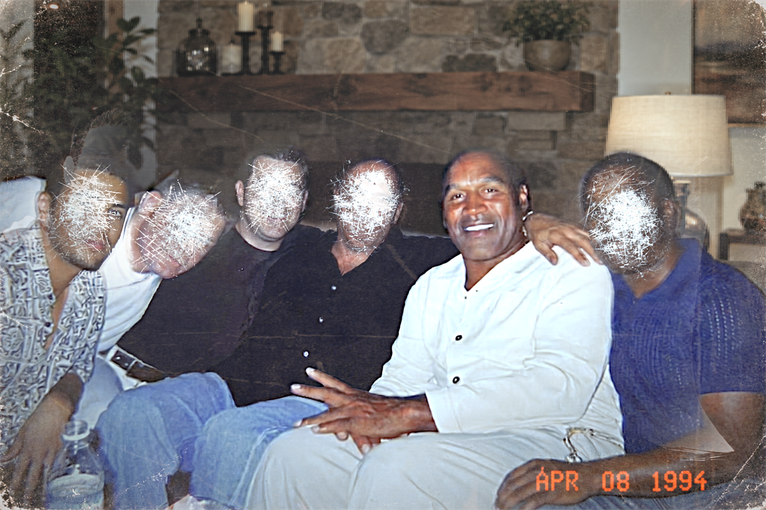
The story must feel impactful, different, eye-opening, but with resolution. Stories that have hit the international press are particularly valuable, but even contemporary local stories can travel well if they feel relevant to the audience today. We have series on murder by medics, murder of millionaires and murder after connection through social media. Well-known stories that are known cases, revisited through a new lens or new evidence, work, such as O.J.’s Accomplice (2 x one hour), produced by Ample Entertainment for Peacock.
As we gather at MIPCOM 2026, which crime and true crime titles are you leading with this season? What do these shows tell us about what buyers are looking for right now?
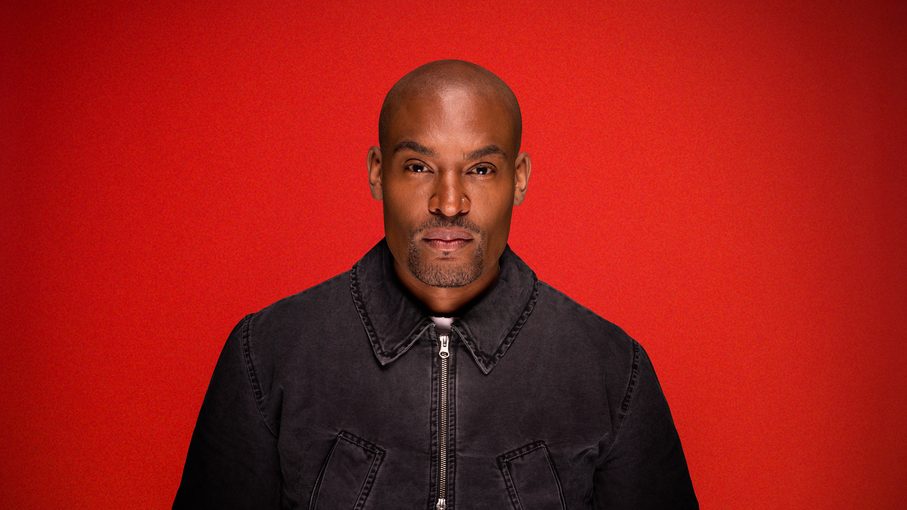
Buyers are looking for big stories, even if covered before, through a new lens. They are looking for stories that audiences can easily relate to (something that could actually happen to them), and series or titles where the title can easily portray the case. Paul C. Brunson: Red Flag (8 x one hour), from FirstLookTV in association with SOAR Productions for UKTV, is a good example of these types of relatable stories.
We hear a lot about “true crime fatigue,” yet the demand from platforms remains massive. How is the genre changing to stay fresh? Are international buyers specifically looking for more “victim-first” approaches or rigorous investigative angles?
Certainly, the victim angle is key now, as is the investigative angle and using new techniques and new science to uncover evidence. As mentioned previously, finding that contemporary theme that feels relevant today keeps it fresh. Check-In To Murder, a Peninsula Television production for Crime + Investigation, covers 10 one-hour episodes investigating standalone cases, ranging from historic cold cases to headline-grabbing modern-day killings.
Buyers are visibly more risk-averse today, pushing budgets toward proven IPs and co-productions. How have buying habits for crime programming shifted over the past year, and which deal structures -like pre-sales or co-pros- are actually closing right now?
We are still able to deliver co-pros and pre-sales on the bigger named titles where the story has crossed borders in the press, though mostly in the English-speaking world, as that is where our programming is mainly produced. We are fortunate that we can negotiate packages of crime licenses with key partners around the world, because we provide a breadth of different stories in this space.
British procedurals have always been a staple in international sales, but local-language crime has exploded globally. As a major UK distributor, how are you seeing buyer appetite evolve for non-English or culturally specific crime series?
There is definitely an appetite across Europe for non-English, local crime stories and therefore should be relevant to local audiences. However, our relatable series provide good support for these on non-English-speaking crime channels.
How do scripted crime dramas and unscripted true crime compare in terms of sales velocity and overall ROI? Does one tend to break into new territories faster than the other?
Crime is a leading sales genre in both the scripted and unscripted world. Budgets and investments are disparate, so they create very different risk-reward models.
Adaptations remain a massive driver in crime TV. How much weight does a well-established book IP or a deep-dive investigative journalism background carry when you’re taking a new project to market?
IP or the basis of a true story always helps to bring a scripted crime series to the top as it definitely improves the marketing potential.
Looking ahead over the next two or three years, where do you see the next big shift in crime television? What advice would you give to independent producers trying to get a project greenlit today?
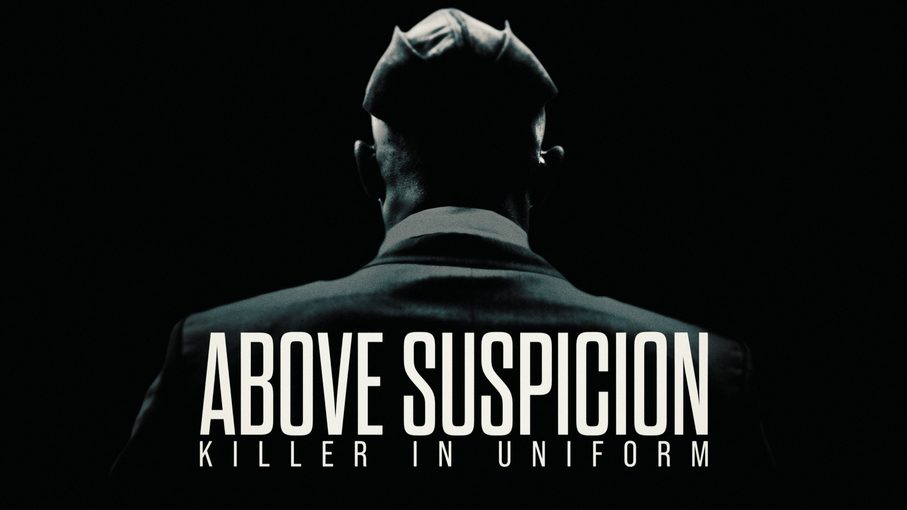
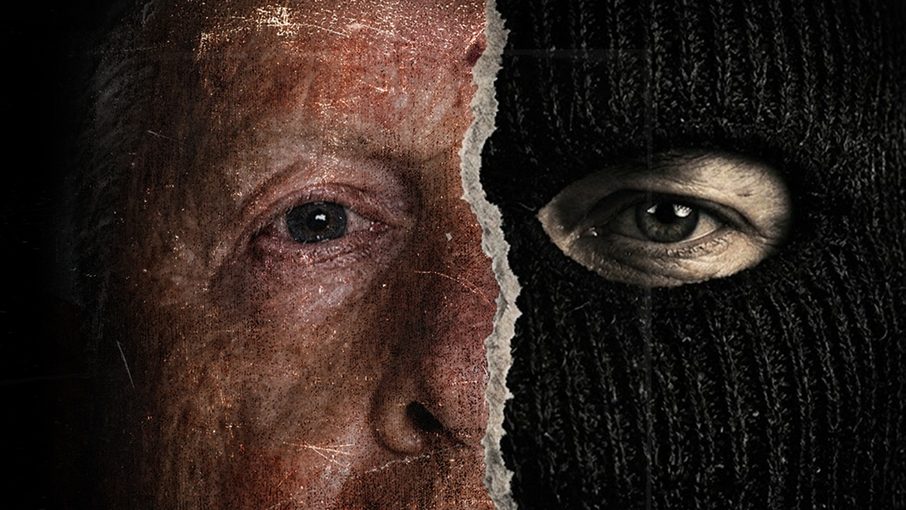
Volumes/needs will continue, but not significantly increase. You need to find a project where the story really stands out, surprises the audience and is relatable even if specific to a country. Above Suspicion: Killer in Uniform (3 x one hour), produced by Peacock Alley Entertainment for Crave, is a true crime series that details the disturbing case of one of North America’s most evil and unlikely killers and Golden State Killer: Unmasking a Monster (4 x one hour), produced by Renowned Films for Fox, draws on new evidence and exclusive interviews with people whose accounts challenge the accepted timeline to redefine one of America’s most notorious criminal cases.
This interview was conducted by Özlem Özdemir and originally appeared in 221B Magazine’s MIPCOM 2026 issue.