

By Özlem Özdemir
Renowned for pushing the boundaries of Scandinavian storytelling, Helsinki-filmi enters MIPCOM 2026 with a bold, contemporary reimagining of the Nordic Noir genre. At the heart of their slate is Dead Women Talking, an upcoming series pitch-perfectly described as “Serial meets Twin Peaks,” which weaves true crime podcasting with an 80s cold case while radically subverting traditional tropes around violence against women.
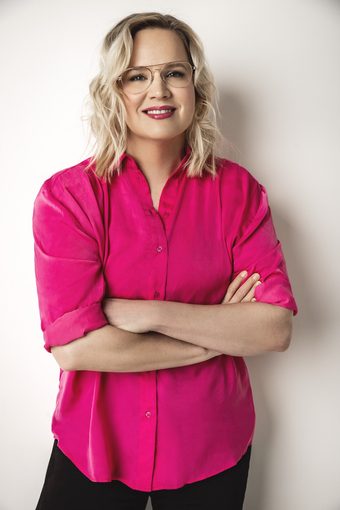
In this exclusive interview, Mia Ylönen, Head of Drama at Helsinki-filmi, discusses how the production powerhouse gives voice to victims, explores unconventional co-production concepts -ranging from wine fraud to Finnish tango and Icelandic heavy metal- and shares why agility, complex character journeys, and genuine creative partnerships remain at the core of their global ambition.
We are thrilled to catch you right while Dead Women Talking is in production. The title itself is extraordinarily striking. What can you share about the core premise of the show, and what was the initial spark that brought this story to life?
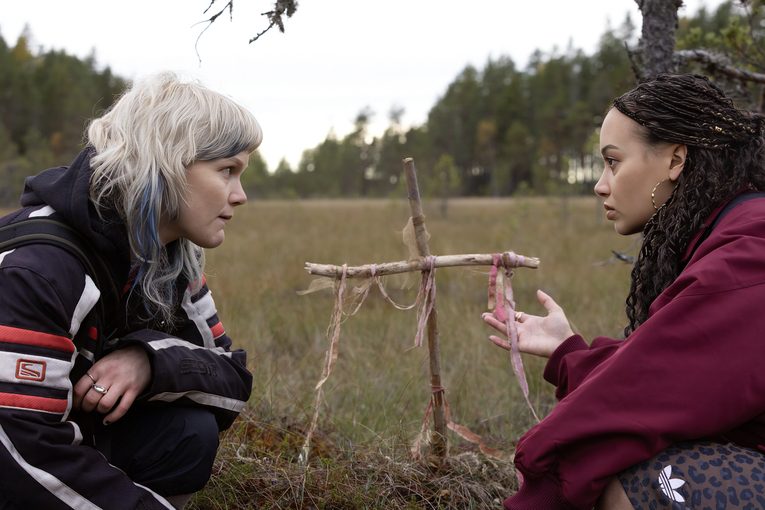
Dead Women Talking follows two podcast journalists, Olivia (Senna Vodzogbe) and Noora (Veera Anttila), who investigate crimes against women. When a mysterious C-cassette appears on their desk, the determined journalists plunge into the case of 1980’s beauty queen murders.
For us the series is a breath of fresh air, combining the modern world of true crime podcasts to a small-town mystery. It’s like Serial meets Twin Peaks.
Nordic Noir has been a global benchmark for crime television for years, but Dead Women Talking seems to push the boundaries of the genre even further. How does this new series subvert traditional crime tropes, and what sets its psychological/narrative tone apart from classic Scandinavian thrillers?
We wanted to reimagine the depiction of violence against women in films and series to tell more meaningful, respectful stories, and Dead Women Talking does just that. While the series focuses on violence against women – a serious social phenomenon – it tackles the issue from a new angle: it literally gives a voice both to women who investigate crimes, and to women who have been victims of crime. Victims are not faceless corpses and printed faces on the wall, but living, breathing human beings with ambitions, aspirations and opinions. We believe the series is bold, addictive, and deeply engaging.
With the series currently in production, what is the current strategy as you present Dead Women Talking to international buyers here at MIPCOM 2026? What kind of homes/platforms are you envisioning for the show globally?
Dead Women Talking is part of Yle’s pan-Nordic N12 collaboration, providing a Nordic release on YLE, SVT, DR, NRK and RUV. We are currently closing negotiations with a distribution company. The series is designed for premium broadcasters and streaming platforms looking for Nordic crime with a fresh, contemporary edge. While the mystery reaches back to the 1980s, we experience it through two ambitious women in their mid-20s, bringing the pace, humour, visual language and attitudes of a new generation to the genre. It combines the international appeal of Nordic noir and true crime with characters and a modern outlook that feel distinctly now. We see strong potential across Europe, the UK, North America and Australia, particularly with platforms targeting younger adult audiences who love crime but are ready for a different kind of Nordic noir.
Beyond Dead Women Talking, we’d also love to hear about any other projects you’re bringing to MIPCOM and/or currently developing for the upcoming season. Are there any other titles you’d like to tell us about?
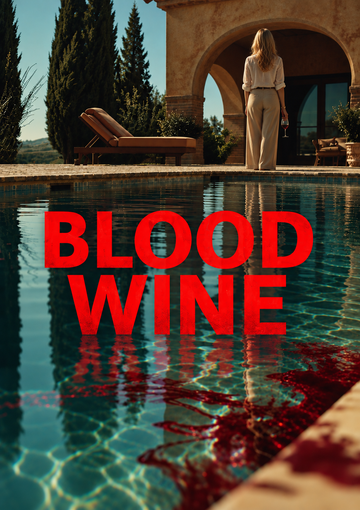
We believe in creating distinctive, character-driven, and contemporary drama concepts. Beyond Dead Women Talking, we’re developing two ambitious international crime series. Tango Metal is a Finnish-Icelandic crime series pairing a disillusioned Finnish crime journalist with an exuberant Icelandic heavy metal singer (who also happens to be a cop) as they hunt a murderer, with Finnish tango and Icelandic metal at the heart of the series. Bloodwine is a Finnish-French crime thriller set in the seductive and fiercely competitive world of wine fraud, where danger lurks beneath a beautiful surface. Both projects are conceived as organic European co-productions.
Over the years, Helsinki-filmi has spent a lot of time exploring crime, thriller, and suspense stories. How has that journey shaped the way you approach new crime projects today?
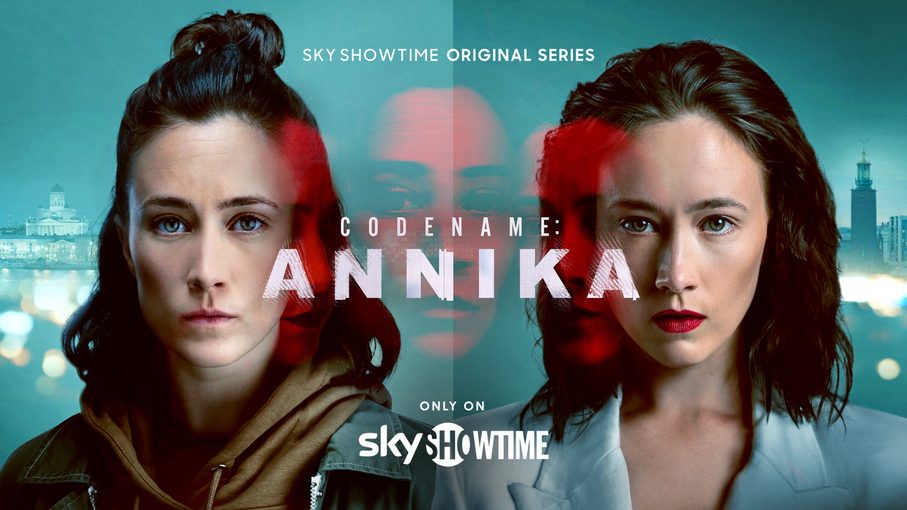
Crime sells, and crime travels. It remains one of the strongest genres internationally, and Nordic crime in particular has an extraordinary ability to travel. But that also means the genre is crowded, so for us the key is always to find a surprising angle that makes each project distinctive. In Codename: Annika (SkyShowtime 2023), for example, we transferred a classic undercover cop story into the world of fine art. In Icebreaker (Elisa Viihde 2025), we combined a contained suspense thriller with supernatural elements. With our newer projects, we are exploring everything from true crime podcasting to wine fraud, Finnish tango and Icelandic heavy metal.
At the same time, the concept can never come at the expense of character. We want to create protagonists who are complex, emotionally resonant and compelling enough that audiences want to stay with them beyond the original story hook or the kickass pilot episode. Our motto at Helsinki-filmi is to tell stories about people for people, and that is always at the core of everything we produce.
As a leading Nordic production powerhouse, how do you see the future of international co-productions for Finnish drama? What should global partners know when looking to collaborate with Helsinki-filmi on future crime and thriller IPs?
Finnish producers and crews are incredibly creative and agile: we are used to building big, cinematic worlds with budgets that are often considerably smaller than those of our international partners. That resourcefulness makes Finland a strong co-production partner, because we know how to be ambitious while remaining flexible and pragmatic. And Finland has much more to offer visually and culturally than the familiar image of snow, ice and endless darkness, although those are still pretty irresistible ingredients for crime and thrillers. For us, the best international co-productions are genuine creative partnerships, where different cultures and perspectives become part of the DNA of the story rather than simply the financing structure. Our invitation to global partners is simple: come for the ice and snow, stay for the stories in the sauna.
This interview was conducted by Özlem Özdemir and originally appeared in 221B Magazine’s MIPCOM 2026 issue.