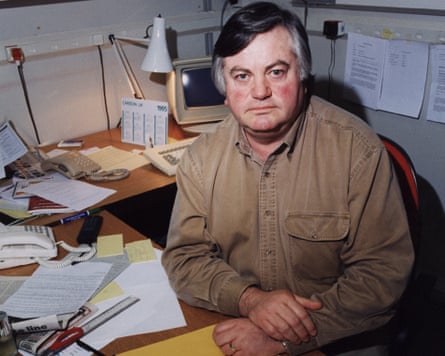




Roger Cook, the legendary investigative journalist and television broadcaster best known for his groundbreaking ITV current affairs programme The Cook Report, has passed away at the age of 83 following a short illness.
Born in New Zealand and raised in Australia, Roger Cook moved to the UK in 1968, where he initially launched his career in radio broadcasting. He created BBC Radio 4’s investigative show Checkpoint in the 1970s before making his defining transition to television.
Roger Cook is widely credited as the pioneer of the television “doorstep confrontation” format, a fearless style of reporting that involved tracking down and directly confronting criminals, scammers, and corrupt figures face-to-face. This high-risk approach eventually became a staple of modern broadcast news.
His signature television series, The Cook Report, ran for 16 seasons on ITV from 1987 to 1999, drawing up to 12 million viewers at its peak. Through the show, Cook exposed massive global injustices and underground criminal networks, tackling everything from child pornography and Northern Ireland protection rackets to illegal ivory trading and the infected blood scandal in the UK.
His relentless undercover stings regularly sparked official police investigations and led to major criminal convictions, but they also exposed him to significant personal danger. Described by peers as one of the bravest journalists in Britain, Cook survived numerous physical assaults on the job. Notably, during a 1981 undercover report for BBC’s Newsnight, he was severely beaten with a metal bar by a fraudulent antiques dealer, leaving him with fractured ribs.
In recognition of his fearlessness and profound impact on broadcast journalism, Roger Cook was honored with a prestigious BAFTA Special Award in 1997 for 25 years of outstanding investigative reporting. Following the news of his passing, ITV paid a warm tribute to the veteran broadcaster, praising his five-decade career and noting that his tireless work to expose criminal wrongdoing and injustice ultimately helped drive vital, lasting changes in British law.
Source: The Guardian