
As we say goodbye to the Peaky Blinders universe, we also welcome a new character into the story.
Released as a Netflix original on March 20 under the title Peaky Blinders: The Immortal Man, the film introduces Tim Roth as Beckett. Known for his consistently compelling performances, Roth brings a new layer of tension to the story, and we were eager to learn how he became part of the project.
What drew you to join the Peaky Blinders universe at this stage of the story and if you had entered this world earlier in the timeline, is there a different type of character you would have loved to play?
“No, I’d never seen the show. It was Cillian who got in touch with me. So I had no idea. I got in touch with him because he won an Oscar and I was worried about him because it’s crazy. He said, ‘I’m fine, do you wanna do a movie?’ I went, ‘OK.’ And then he said, ‘I’ll send you something,’ and that was it. We worked together before and we’ve seen each other across the years, so it’s nice.”
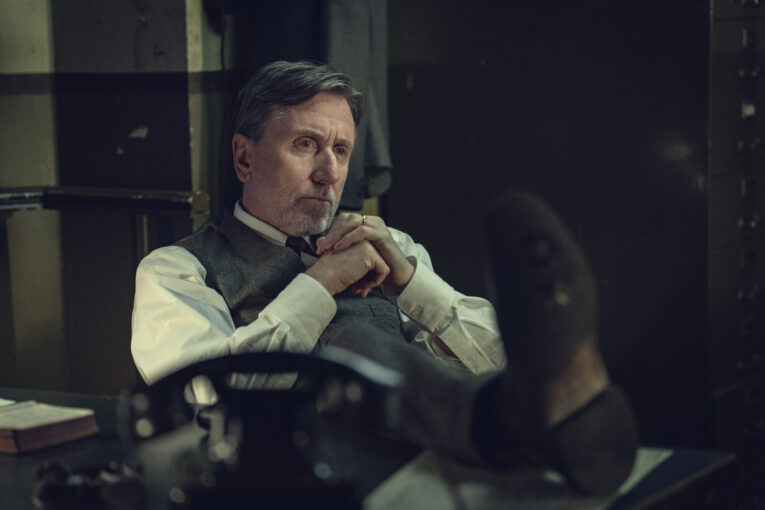
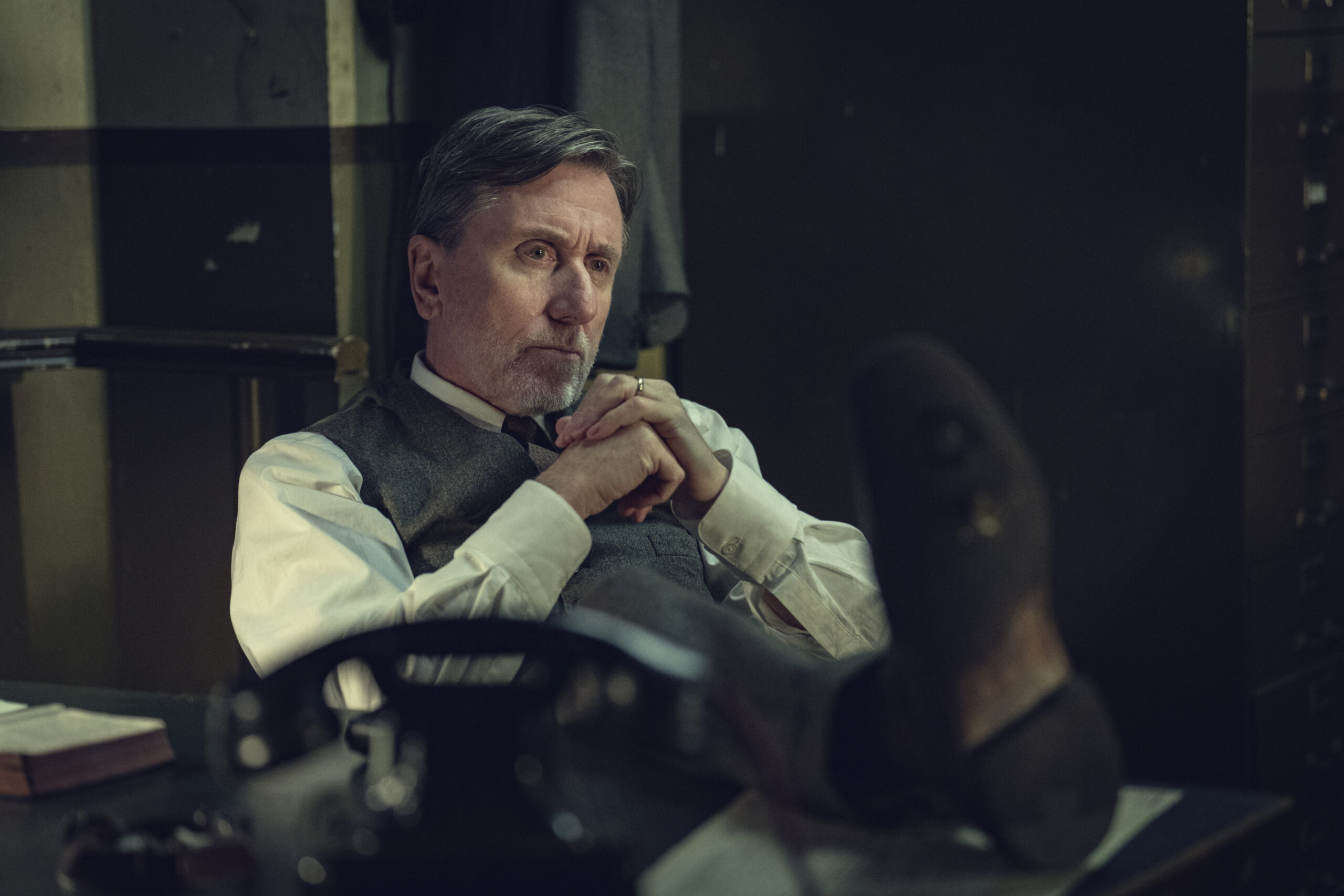
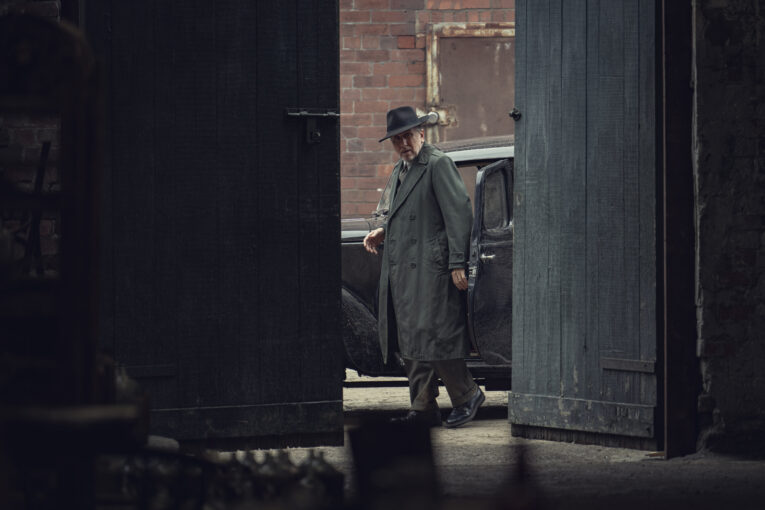
Roth describes his approach to Beckett as intentionally layered: “I wanted to bring a warmth to the character and I wanted to bring a relaxed quality to the character, until he doesn’t at specific moments.”
That led us to ask how he built such a morally complex figure:
Actors often look for human flaws even in the darkest characters — something to hold onto and make them real. With your character in this film, what was the one thing you kept in your pocket — something the audience may never fully see, but that made him real for you?
“My perspective was that I’m the good guy. I’m just trying to help the world. I’m trying to stop a war. I am just trying to help everybody. So I kept that and also I think he was a family person which he kept quiet. I mean, it comes up a couple of times in the film. Also I think that he recognized Tommy, he recognized Cillian‘s character, he could see similarities in a strange way.”
So you think he truly believes he is doing the right thing and is not just consciously manipulating Tommy?
No, he really is the good guy.
Roth adds another layer to the character: “He’s very reasonable. Which I thought would make him a more terrifying prospect, when I brought up the other guy.”,
It’s also known that Cillian Murphy had Roth in mind for the role from the beginning: “Tim was a massive influence on me growing up as a young actor, watching his films. And when I read Beckett, I thought it’s got to be Rim Roth. It was interesting because Steve was thinking of him as a more aristocratic, kind of posh character, but Tim decided to play him as more like an equal of Tommy, or a contemporary working-class, like Tommy, but going, ‘You know, Hitler is for us… fascism is for us.’ So it was a brilliant instinct to decide to play him like that and not as a toff.”
From there, we asked about the dynamic between the two actors:
Both you and Cillian are masters of minimalist acting — you can convey so much with just a look or a pause. What was the energy like on set during your scenes together? Did it ever feel like a chess match between your characters?
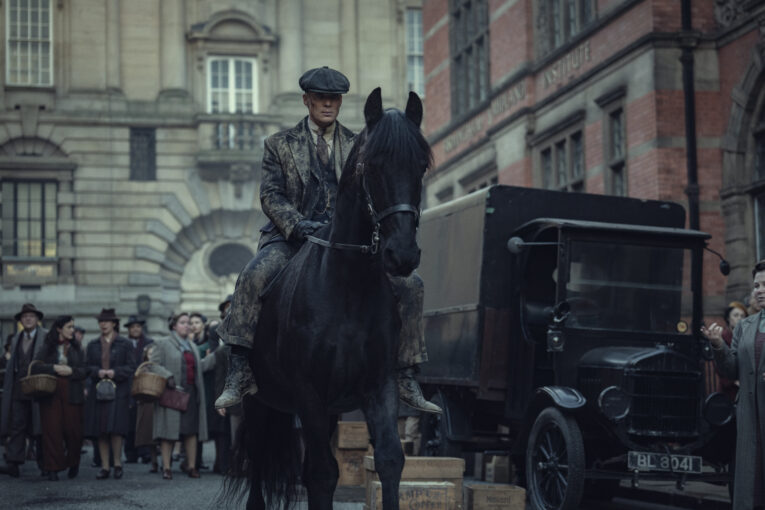
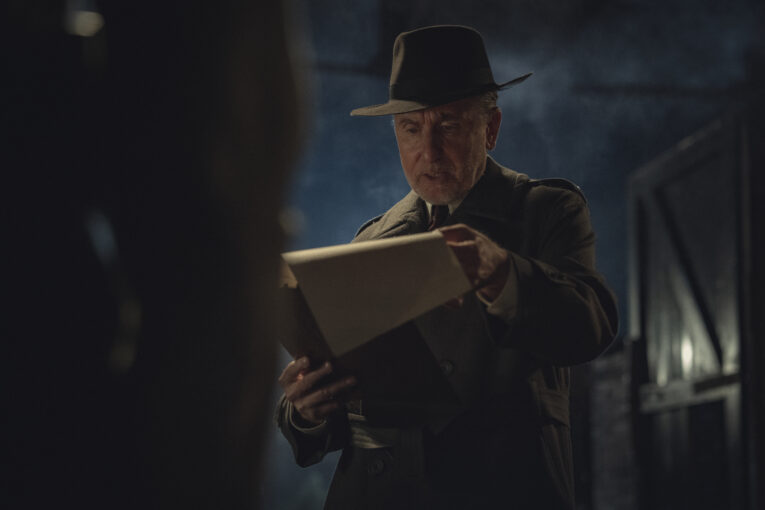
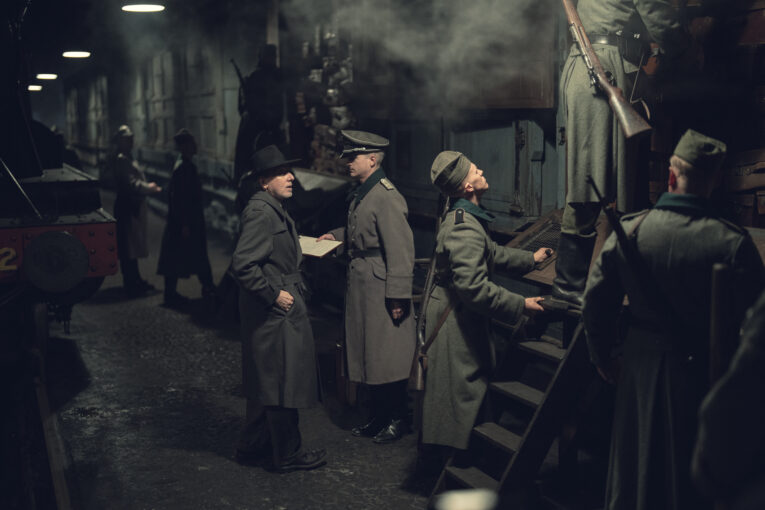
“Oh no, we just laughed a lot. It was crazy. They did such a lovely job, so both of us were walking in like an old movie. It was really like being on the set of a World War II film we’ve seen growing up. It was really lovely.
Now they fill everything with dialogue. You are constantly delivering plot, you’re telling people what you’re doing while you’re doing it. What we were looking for in that respect is getting the unnecessary dialogue out of there, giving yourself space to just listen and watch and behave and being able to talk about other things than what the subject of the film is about because people do.
You have ulterior motives, but you know people live through it. They did give us at times in this film moments that we could just do nothing and watch each other and talk around the stuff like that.”
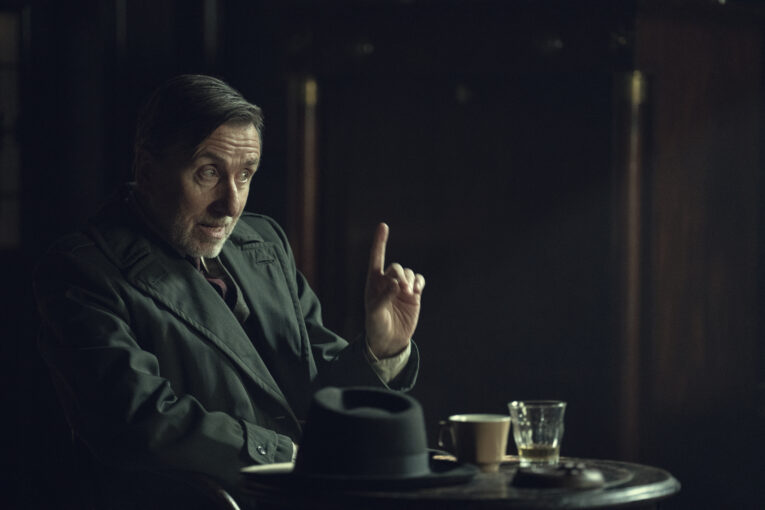
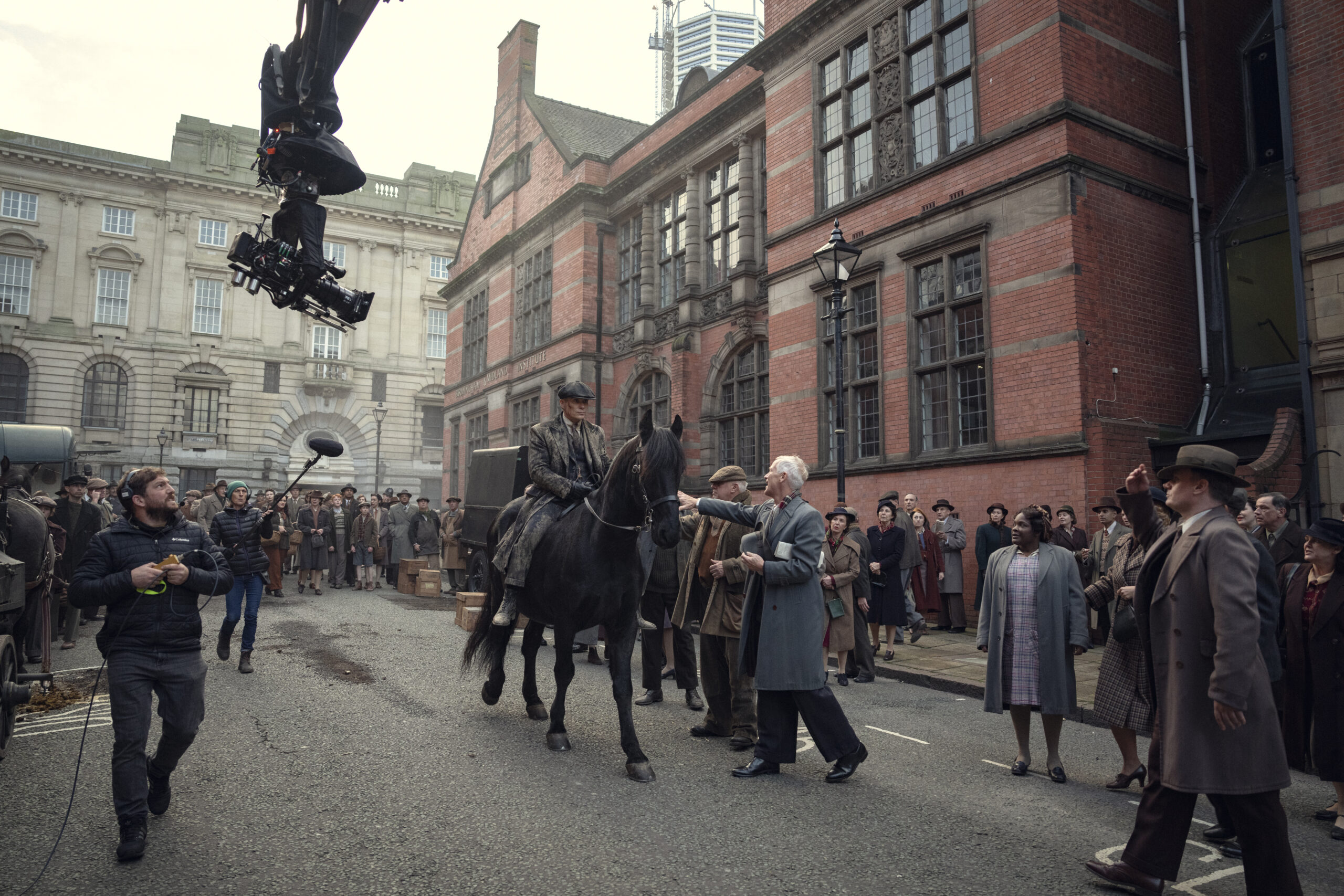
Roth also praises the film’s production approach: “I was very pleased when we came on set to see that it was not relying on CG. It wasn’t just ‘Okay, I’ll stand against the green screen, we’ll put it all in later.’ It didn’t have that laziness about it. It had ambition.”
Curious about how much of that natural flow carried into the performances, we asked about improvisation on set: Did you improvise anything?
A couple of times. I think if something come up, yeah. I know for a fact one line that I did as a joke stayed in the movie.
Do you remember it?
I do, but I don’t know if I should say it because of the language… I should say it’s the first line in the film.
Finally, we turned to the man shaping that future to ask about the fate of Duke Shelby, played by Barry Keoghan:
What do you think Duke will become? Will he grow into the darkness or is there still a possibility for him to choose the light?
Depends on what is done to him. He can only react to what is thrown at him, you know. We shall see.
With Beckett, Tim Roth adds a chilling new presence to the world of Peaky Blinders, a character who is not loud or explosive, but quietly convincing in his own sense of righteousness.
An actor whose career spans decades, from cult classics like Reservoir Dogs to critically acclaimed roles in Pulp Fiction, Roth has long been celebrated for bringing complexity to morally ambiguous characters. With Beckett, he once again proves why he remains one of the most compelling presences on screen: not by playing a villain, but by making us understand why he doesn’t see himself as one.
Click here to read our exclusive interview with Cillian Murphy and Rebecca Ferguson.
Click here to read our exclusive interview with Steven Knight and Tom Harper.